1. Start with an assessment
Before choosing finishes, you need to know what state the building is in. Walk around it room by room and note what you see. If you are abroad, ask someone you trust to take photos and videos: façades, roof, ceilings, cracks, signs of damp, installations.
- Cracks: thin and superficial, or wide and running through? How they evolve matters as much as their size.
- Damp: rising damp at the base of walls, leaks through the roof or flat roof, condensation.
- Damaged concrete: spalling exposing rusty reinforcement, common by the sea because of salty air.
- Roof and waterproofing of flat roofs.
- Electrics, plumbing, wastewater (septic tank, drains).
2. Set priorities in the right order
A simple rule: first anything affecting strength and safety, then what makes the building watertight, then services, and only then layout and finishes. Painting a wall that lets water in means paying twice.
- Structure: foundations, load-bearing walls, columns, slabs, damaged concrete.
- Watertight envelope: roof, waterproofing, external doors and windows.
- Services: electrics, plumbing, wastewater, air conditioning.
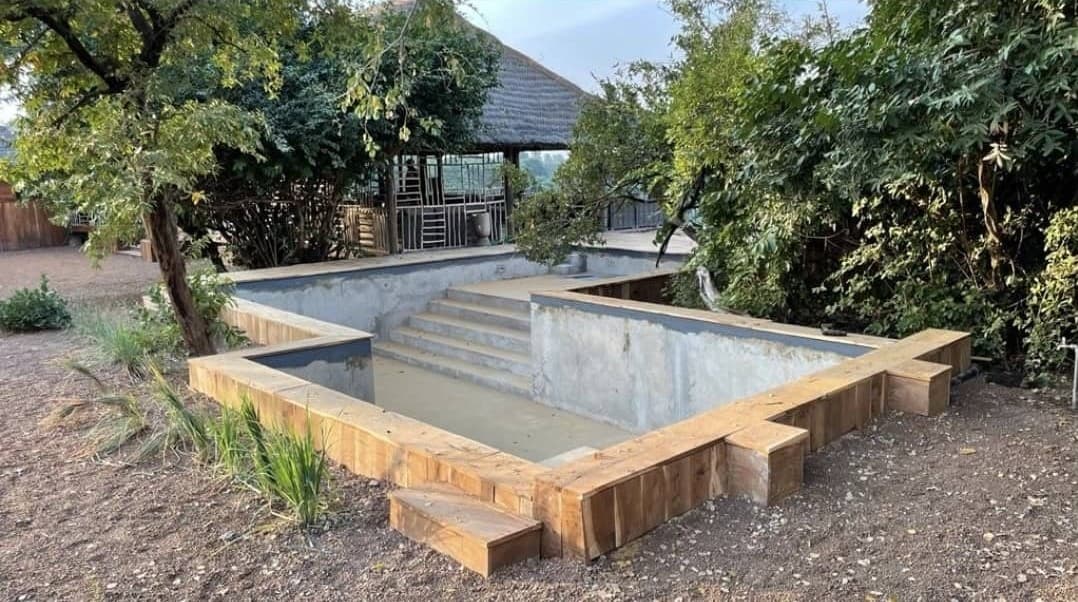
- Layout and finishes: floors, renders, paint, bathrooms, kitchen, pool.
3. Check the paperwork
A simple refurbishment is not treated like an extension or an added storey. As soon as you change the floor area, height or external appearance, a permit may be needed: check with the local council before you start.
Also check the property documents (title, original plans if you have them): they make the assessment and paperwork easier.
Renovate or rebuild?
When a building is badly damaged, the question arises. As a rule, renovation remains worthwhile if the structure (foundations, load-bearing walls, slabs) is sound or repairable. If it is badly affected, partial or full rebuilding may prove safer and not necessarily more expensive.
Only an on-site inspection can decide. Avoid deciding on photos alone when the structure is at stake.
Either way, keep the paperwork in mind: demolition followed by rebuilding is treated as a new build, with its own permit.
4. Budget: plan for the unexpected
In renovation, surprises are part of the game: a slab in worse condition than expected, a pipe to replace, a roof frame to repair. As a rule, it is wise to keep a reserve in the budget for these discoveries and to ask for a detailed, itemised quote so you can make choices.
If the budget is tight, it is better to fully renovate part of the building than to half-renovate all of it.
Phasing is also possible: deal with the structure and roof first, then services, and leave finishes for a second stage. The building is protected, even if not everything is finished.
Common weak points in a coastal climate
Near the sea, some defects come up again and again: concrete spalling over rusty reinforcement, corroded metal doors and windows, renders coming away because of damp and salt, flat roofs whose waterproofing has aged. None of this is inevitable, but you need to treat the cause, not just the appearance.
For example, patching spalled concrete without treating the rusty reinforcement underneath only delays the problem by a few months. Ask for the quote to describe the treatment planned, not just the expected result.
5. Renovating a lodge, hotel or restaurant
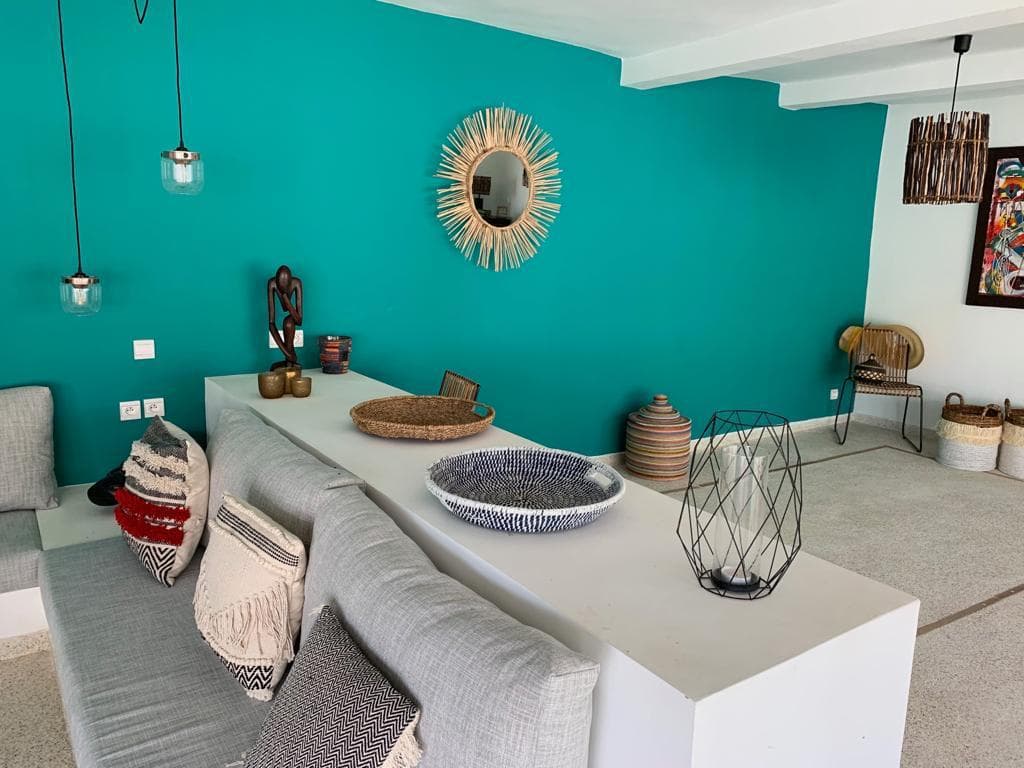
For a tourism business, renovation has to reconcile two goals: modernising (comfort, air conditioning, pool, bathrooms) without losing what makes the place special. It also means organising the work around the business: which areas to close, when, and how to limit noise and dust for guests.
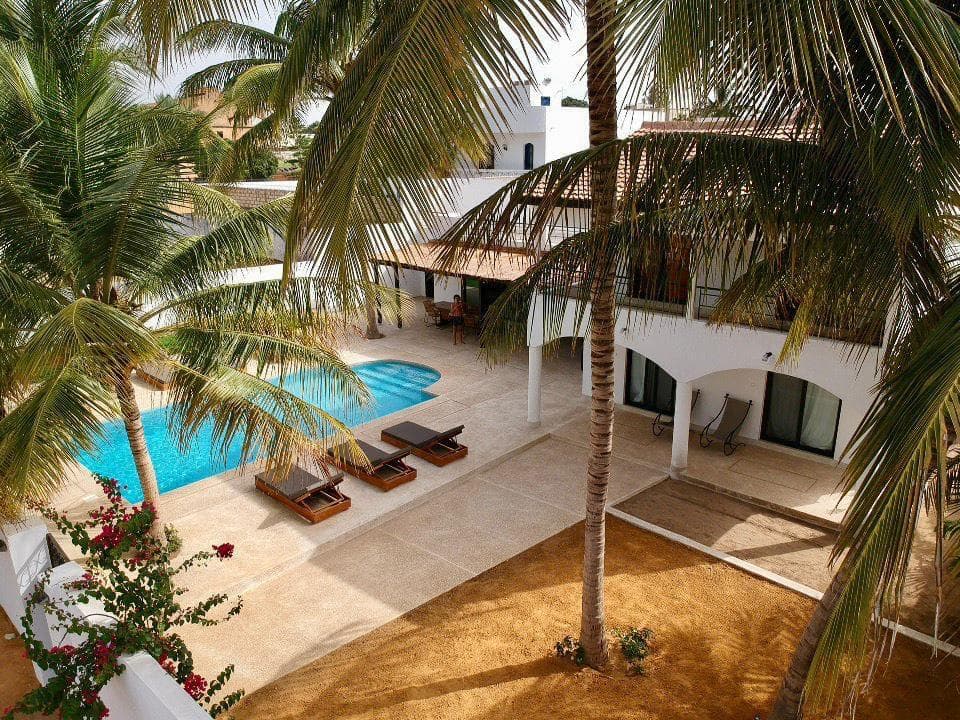
That is exactly the challenge of the renovation of Les Manguiers de Guéréo, near the Somone: modernising the facilities while preserving the character of the place (pool, restaurant, bungalows, finishing work, air conditioning, terrace roof framing).
An inherited house: sort out the paperwork first
Many renovations involve a family home. Before committing to major work, make sure the property's status is clear: who owns it, has the estate been settled, do all the heirs agree? A notary can advise you.
Investing in a property whose ownership is disputed can lead to conflicts that are hard to resolve once the work is done.
6. Renovating from abroad
As with a new build, WhatsApp is the best tool: before photos, discussions about the quote, updates from the site. Keep a written record of decisions made (change of material, extra work): in renovation, adjustments are frequent.
Before asking for a quote: the checklist
- Photos of every room and the outside, including the roof and visible defects.
- Approximate dimensions of the building and the rooms concerned.
- A list of what you want to change, in order of priority.
- The property documents (title, old plans) if you have them.
- Your timing and a rough budget.
This guide gives general pointers. A large crack, badly damaged concrete or any doubt about the structure justifies the opinion of a qualified professional before any work. For the paperwork, check with your local council.
A building to renovate?
Message us on WhatsApp: we reply usually within the day, and the quote is free.
Further reading on our site
Sources
Official texts and websites consulted (October 2026, in French):